Everyone's talking about TikTok. Brands are scrambling to crack Instagram Reels. LinkedIn video is having a moment. And somewhere in the middle of all of it, YouTube sits quietly — the second most visited website in the world — generating views, building trust, and compounding results for the brands smart enough to take it seriously.
HubSpot's research is clear: YouTube ranks among the top platforms for ROI alongside Facebook, Instagram, and TikTok. And yet it's consistently underprioritized in most brand content strategies. Not because it doesn't work. Because it takes longer to see results — and most brands quit before the compounding starts.
That's the opportunity.
The difference between posting on Instagram and posting on YouTube is the difference between renting attention and building an asset. Instagram gives you a spike. YouTube gives you a library.
The ROI isn't always immediate. But it's real, and it compounds. The brands that started showing up consistently on YouTube three years ago are now sitting on a library of evergreen content that generates traffic, trust, and leads on autopilot.
The biggest mistake is expecting YouTube to behave like Instagram. It doesn't. YouTube rewards depth, consistency, and genuine usefulness. Brands that approach it that way build audiences that are impossible to replicate.
This is exactly where most brands get stuck. They know YouTube should be part of the strategy. They just don't have the system to do it consistently without it becoming a massive time sink.
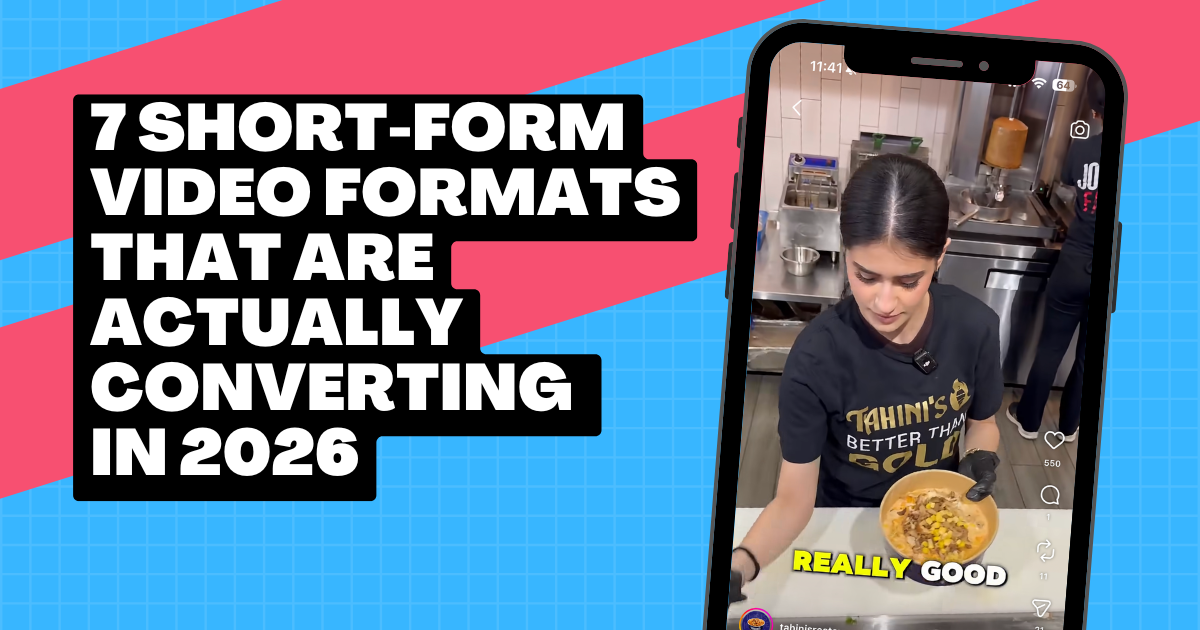
Tahini's is the proof. With over 3.2M YouTube subscribers and 75M+ views across platforms every three weeks, their YouTube channel isn't a side project — it's a core part of how the brand builds authority and stays in front of a massive audience week after week. The content is consistent, platform-native, and built for how their audience actually watches video.
That's the system Storybox builds.
Is YouTube worth it for small businesses or local brands?
Absolutely. Local and niche brands often see faster results on YouTube than national brands because the competition for search terms is lower. A local restaurant, a service business, or a regional brand can build a highly engaged audience faster than most people expect — as long as they show up consistently with content their audience is actually searching for.
How long does it take to see results on YouTube?
Most channels start seeing meaningful traction at the 3-6 month mark, with significant growth typically happening between 6-18 months of consistent posting. Brands that post 10 videos and quit never see the results. Brands that treat it like a long-term investment almost always do.
Do I need expensive equipment to succeed on YouTube?
No. Authenticity beats production value on YouTube more than almost any other platform. Clear audio, decent lighting, and content that actually helps your audience will outperform a polished corporate production that nobody searches for.
What types of videos perform best for brands on YouTube?
Educational and instructional content consistently performs best, followed by behind-the-scenes content, product demos, and customer or team stories. The common thread is usefulness — content that helps someone learn something, solve a problem, or make a decision.
How does YouTube help with SEO and search visibility?
YouTube videos frequently appear in Google search results, which means a strong YouTube presence can drive organic traffic from both YouTube search and Google search simultaneously. As AI search tools increasingly surface video content in responses, brands with a YouTube library are better positioned to show up in AI-generated answers.
YouTube is not a platform for the future. It's a platform most brands are underusing right now, while their competitors quietly build audiences that will be impossible to replicate in three years. The brands that win aren't the ones with the biggest production budgets — they're the ones that show up consistently, teach something real, and treat the platform like the long-term asset it is.
If you want to build a content engine that makes YouTube work for your brand — consistently, without reinventing the wheel every month — that's exactly what Storybox does. Start the conversation.