
Most brands do not have a content problem. They have a shipping problem. The strategy is done. The ideas are there. The drafts are piling up. And every week they spend perfecting content that never goes live, their competitors are posting, learning, and pulling further ahead.
Most brands are not losing the content game because they lack ideas. They are losing it because they are stuck in a cycle of planning, perfecting, and postponing. Meanwhile the brands pulling ahead are shipping imperfect content consistently, learning from what lands, and building systems around their winners.
The gap is not creative. It is operational. And until you close it, no amount of strategy will move the needle.
Most brands never build momentum because they treat every post as a high-stakes decision instead of a data point.
The mindset that kills content before it starts is the belief that every piece needs to be perfect before it goes live. So drafts pile up. Post dates get pushed. The bar keeps moving. And the audience that could have been building for the last three months has no idea the brand exists.
The market will tell you what works. But only after you post. The data does not exist before you ship. You can spend weeks optimizing a video based on assumptions, or you can post it, watch what happens in the first 24 hours, and make your next decision based on real signals. One of those approaches builds a brand. The other builds a very organized content calendar that nobody ever sees.
The brands at 1M are running a system. The brands at 10K are still waiting for their moment.
Consistency is not a discipline hack. It is the algorithm hack everyone is looking for. Platforms reward accounts that show up regularly because they signal reliability to the algorithm and to the audience. Five posts a week for three months builds more compound momentum than one perfect post a month for a year.
But consistency only works if the content clears a basic threshold of value. Every post should do at least one thing — teach something, make someone laugh, or make them feel understood. Not all three every time. Just one. That is the bar. It is lower than most brands think, and it is higher than most brands meet because they are either posting nothing or posting filler just to fill the schedule.
The winning brands are doing neither. They are shipping with intention, tracking what resonates, and building machines around their winners.
A content machine is a repeatable system that takes your best ideas and turns them into consistent output without requiring heroic effort every single week.
It starts with testing. Post consistently for 60 days minimum before drawing conclusions. Most brands quit at 30 days, right before the algorithm figures out their audience and the content starts to compound. The brands that stick through the awkward early phase are the ones who suddenly find themselves with data that tells them exactly what to make more of.
When something works, you do not celebrate it. You systematize it. You make six more versions of that idea with different angles and hooks. You figure out why it worked and you build that principle into everything you make going forward. Then you hand off the execution and go find the next thing to test.
This is the loop. Test. Find the winner. Systematize. Hand off. Repeat. Your job as the operator is not to be the talent. It is to build the machine that produces the talent.
Production quality is not about looking expensive. It is about removing the friction between your idea and your audience.
Some of the best performing content comes from simple setups with a clear point of view and good audio. Constraints force creativity and high production value can actually signal advertisement to an audience that has been trained to scroll past ads. The ceiling on budget for most content formats is lower than brands think.
What production quality actually buys you is consistency. When the environment is right, creating content stops feeling like a production crisis and starts feeling like a repeatable process. You show up, the setup is ready, you record, you ship. That reliability is what turns a brand from sporadic poster to content machine.
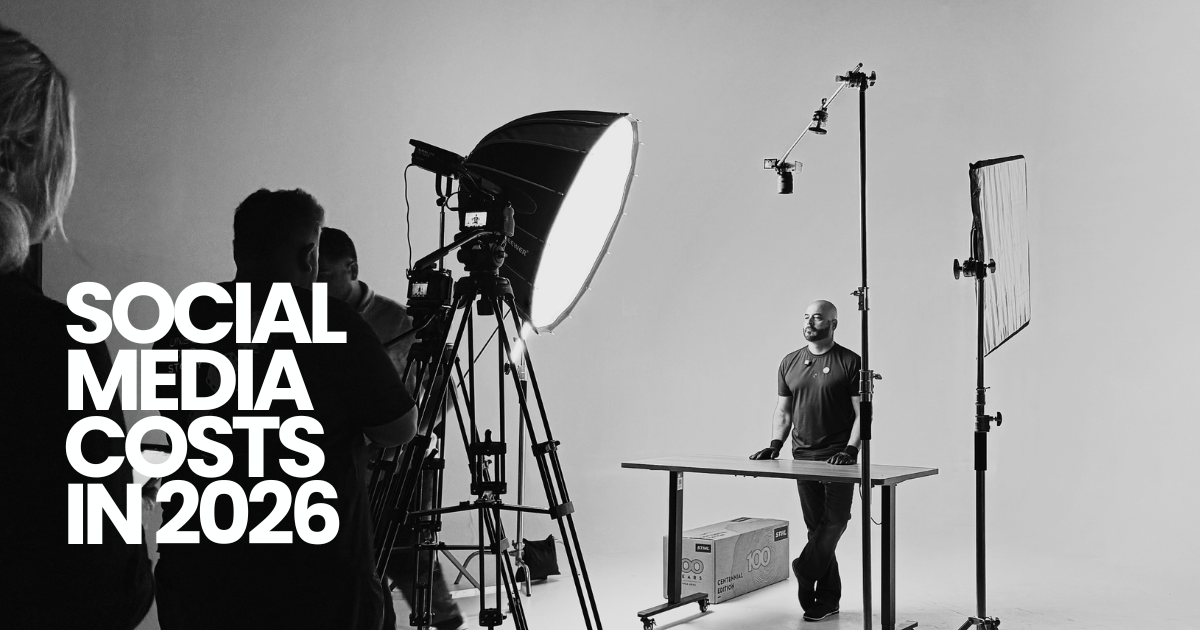
This is what the Storybox studio is built for. Not to make content that looks expensive. To remove every piece of friction that stops brands from shipping consistently at the level their audience expects. One session. Multiple formats. Ready to test across every platform.
Because the brands winning at content right now are not the ones waiting until everything is perfect. They are the ones who built a system that makes shipping the easy part.
Why do most brands fail to build consistent social media momentum?
Most brands fail to build momentum because they treat every post as a high-stakes creative decision rather than a data point. Perfectionism keeps content in drafts and the algorithm never gets enough signal to reward the account.
How often should a brand post on social media to build real reach?
Posting five times per week minimum is the threshold where most brands start to see compounding momentum. Consistency signals reliability to the algorithm and builds audience habit. Below that frequency, most brands reset their progress before it has time to compound.
What is the right way to decide if a content strategy is working?
Give any content strategy at least 60 days before drawing conclusions. Most brands quit at 30 days right before the algorithm identifies their audience and content starts to compound. Real data only comes from sustained volume over time.
What does a content machine mean for a brand?
A content machine is a repeatable system where brands test ideas, identify winners, systematize what works, hand off execution, and move on to find the next thing. The goal is removing the founder or operator as the bottleneck so the brand can ship consistently without heroic effort.
Does high production quality help or hurt social media content?
High production quality helps when it removes friction from the creation process and makes consistency easier. It hurts when it signals advertisement to an audience trained to scroll past polished content. Constraints often produce better creative work. The goal is not to look expensive — it is to look intentional.