.png)
Your content is performing.
Posts going out consistently. Podcast numbers climbing. Short-form getting decent pull. The dashboard looks healthy.
And yet, when your sales team asks where the pipeline is coming from, content is rarely in the answer.
That is not a content volume problem.
That is a content architecture problem.
Reach became the default success metric because it is easy to measure, easy to report, and easy to grow.
More posts equals more impressions. More impressions equals more reach. More reach equals... what exactly?
Here is what most brands never stop to answer.
Reach tells you how many people saw you. It tells you nothing about whether they believed you, trusted you, or took a single step toward working with you.
The brands winning right now are not the ones with the largest audiences. They are the ones who have built systems that move the right people from curious to committed.
That is a fundamentally different design problem.
Most reach-based content strategies convert less than 5% of impressions into pipeline. Commitment-driven architecture maintains conversion strength across every stage of the funnel.
The gap is not marginal. It is structural.
The difference is not effort. It is design intent.
Reach-based strategies are built to be seen. Commitment-driven strategies are built to be believed.
Most content ecosystems are built wide. Cast broadly, capture loosely, hope the sales team handles the rest.
Commitment-driven content is built deep.
It is designed with a specific next step in mind at every layer. Not a vague "learn more." Not a passive newsletter signup. A deliberate progression that increases trust, filters intent, and rewards the people who are actually ready to engage.
It looks like this:
● Public content that establishes a clear point of view and draws in the right audience
● Mid-layer content that deepens credibility and signals expertise
● Premium content that requires something from the viewer, time, attention, information, and delivers disproportionate value in return
● A structured path that moves qualified people toward a real conversation
The gate is not the strategy. The progression is.
It requires a decision most marketing teams are not empowered to make.
Stop optimizing for volume. Start optimizing for signal.
That means some content will reach fewer people. That means some posts will not go viral. That means the vanity metrics will look worse before the pipeline metrics look better.
Most teams cannot survive that conversation internally.
So they keep producing. Keep publishing. Keep reporting reach numbers that feel good and drive nothing.
The brands that break out of this are the ones where a founder, operator, or senior leader decides that the goal is not attention.
The goal is trust at scale.
Here is the inflection point most brands miss.
Text can inform. Text can educate. Text can rank.
But text rarely creates the kind of emotional gravity that makes someone feel like they already know you before the first call.
Video does that.
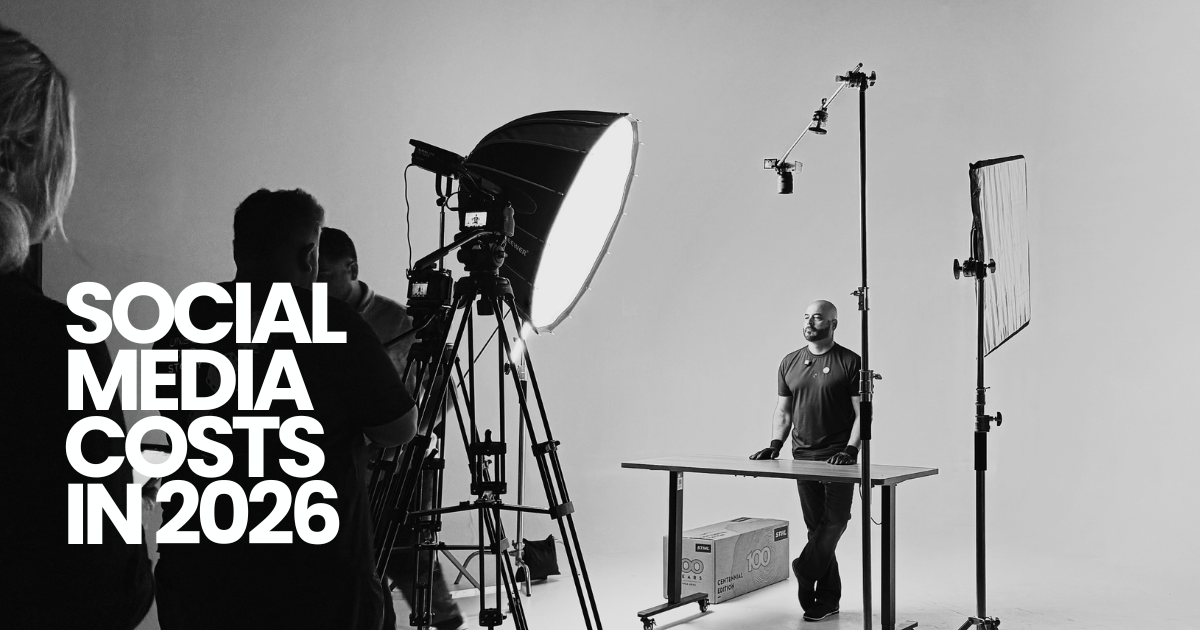
When a founder walks through a real problem on a professionally produced set, when the framing is tight, the lighting is intentional, the story is structured, something shifts in the viewer.
They stop evaluating you. They start trusting you.
That trust is what makes the next step feel obvious rather than risky.
This is why production quality is not a vanity decision. It is a conversion decision. A high-production masterclass signals that what sits behind it is worth something. A shaky phone video signals the opposite, regardless of what the content actually says.
The medium is part of the message. Always has been.
You do not need more content.
You need content that is connected to an outcome.
That might mean turning your best performing podcast episode into a gated visual breakdown. That might mean packaging your team's expertise into a premium training series filmed in a proper studio. That might mean replacing three average posts a week with one high-production piece that actually moves someone.
The question is not "how do we get more reach?"
The question is "what does a person need to see, hear, and feel before they are ready to take the next step?"
Build backward from that.
Every asset in your content system should exist to answer part of that question.
In a market flooded with AI-generated content, templated newsletters, and recycled takes, the scarcest thing is not information.
It is conviction.
A brand that has a clear point of view, expresses it consistently, backs it with high-quality production, and builds a system that moves people from attention to action does not need to compete on volume.
It wins on trust.
And trust, unlike reach, compounds.
Stop chasing the number that makes the dashboard look good.
Start building the system that makes the pipeline grow.
That is the shift.