.png)
By now, this isn’t controversial.
Short-form video works.
Social platforms are the new discovery engines.
Human, authentic content consistently outperforms polished ads.
Every marketer knows this.
And yet, most brands are still losing on social in 2026.
Not because they lack ideas.
Not because they do not understand the platforms.
But because they cannot produce, ship, and iterate video consistently enough to matter.
The real gap in 2026 is not strategy.
It is execution.
For most brands today, social media is not where content gets shared.
It is where first impressions are made.
Before someone visits your website, reads your About page, or books a call, they have already seen you on Instagram, TikTok, YouTube Shorts, or LinkedIn.
Your social video is your brand introduction.
That means:
Brands that still treat social video as a supporting channel are quietly falling behind brands that treat it as the main event.
The highest-performing brands on social in 2026 are not always the most creative.
They are the most consistent.
Algorithms reward:
That requires volume.
Not one viral post.
Not one monthly shoot.
Not one campaign every quarter.
It requires a system that can produce video every week, often every day, without burning out the team.
This is where most brands break.
There is a dangerous misconception floating around marketing teams.
“If it’s UGC-style, production quality doesn’t matter.”
That is wrong.
UGC-style means:
It does not mean:
Retention drops when videos look unintentional instead of intentionally casual.
The brands winning in 2026 combine:
They look real, but they feel credible.
AI has transformed how ideas are generated.
Scripts. Hooks. Captions. Repurposing. Editing workflows.
All faster. All cheaper.
But AI did not remove the need to show up on camera.
When everyone can generate ideas instantly, the differentiator becomes:
AI accelerates production.
It does not replace presence.
Campaigns end.
Studios compound.
Brands that invest in repeatable video production environments unlock:
Instead of asking “What should we post this month?” they ask “What did we film this week?”
That shift changes everything.
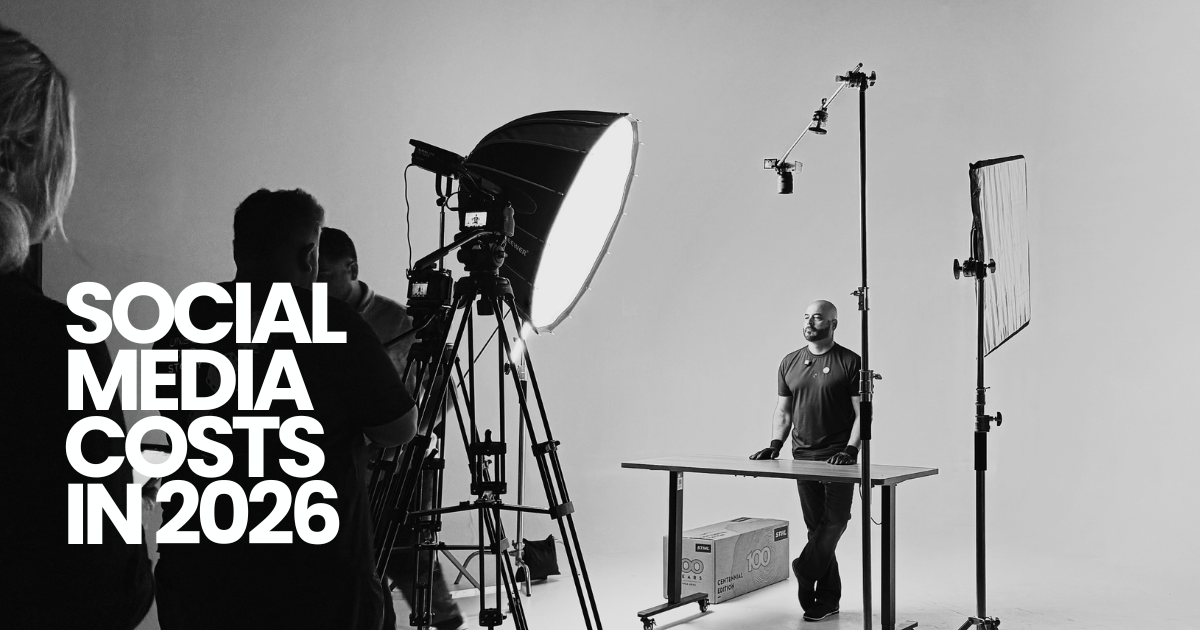
If social video is core to your growth, then:
Social video is now an operational decision, not a creative one.
Storybox exists for brands that understand one thing clearly.
You do not need more ideas.
You need a system that turns ideas into video, consistently.
We help brands produce social-first video at scale by combining creator-style content with professional videography inside a repeatable production environment.
Because in 2026, the brands that win are not louder.
They are simply present everywhere, all the time.
The future of marketing is not written.
It’s filmed.