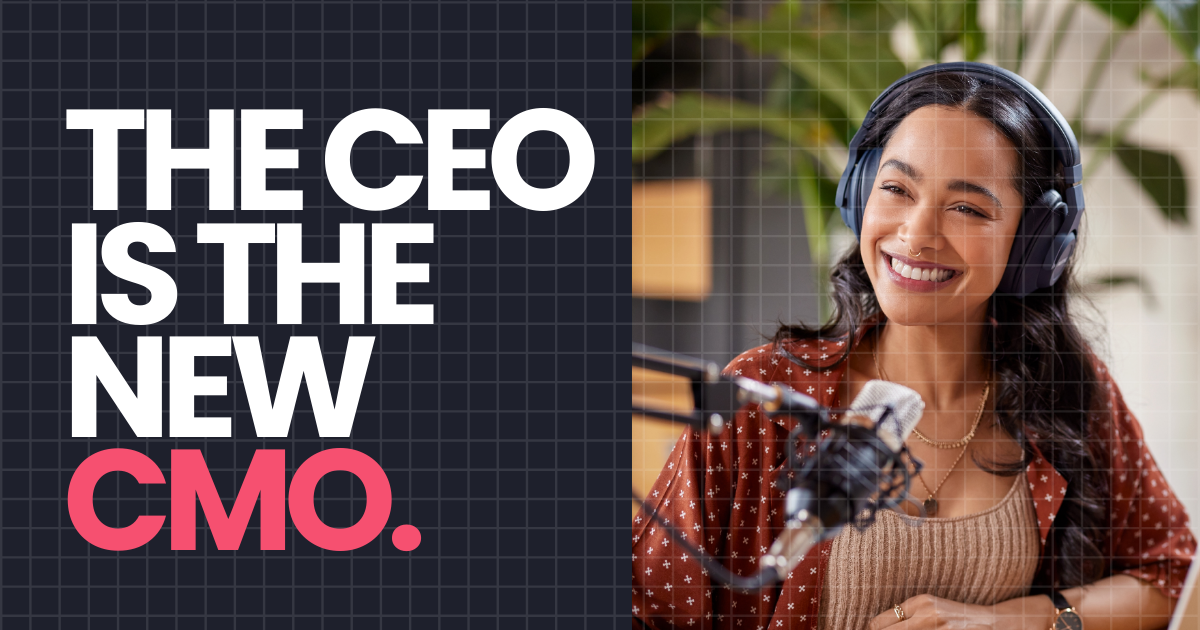
Ten years ago the best CEOs stayed out of the spotlight. They let the product speak. They kept their head down and ran the business. That playbook is dead. In 2026 the most valuable thing a CEO can do for their company is build an audience.
In 2026, CEO visibility is not a vanity play. It is a competitive advantage. And the companies that have figured this out are pulling away from the ones still treating executive presence as optional.
The shift has been building for years. But in 2026 it is no longer a trend worth observing. It is a standard worth meeting. The modern CEO is not just a business operator. They are a media channel. And most of them are leaving that channel completely dark.
CEO content moves real business metrics when it is done with intention.
Look at what executive visibility has done for companies like Nvidia and OpenAI. Jensen Huang's presence on podcasts and at public events has become inseparable from Nvidia's narrative as the defining infrastructure company of the AI era. Sam Altman's consistent media presence has helped OpenAI command attention and valuation that no ad budget could manufacture. These are not coincidences. Visible leadership builds trust at scale and trust converts.
For smaller companies the impact is even more direct. When a CEO shows up consistently with a clear point of view, they are doing sales, recruiting, and brand building simultaneously. Every podcast appearance, every post with genuine insight, every video that shows the person behind the company is compounding into an asset that the business owns.
In 2026, audiences trust people before they trust brands.
This has been shifting for years but it has fully landed now. Buyers research leadership before they sign contracts. Candidates look up founders before they accept offers. Investors follow executives on social before they take meetings. The personal brand of your leadership team is often the first impression your company makes and most companies are not managing that impression at all.
The platforms have also matured in a way that makes executive content more accessible than it has ever been. Podcasts, LinkedIn, X, YouTube — the infrastructure exists to build a real audience without a media company behind you. The only thing missing for most executives is the system to do it consistently and well.
Most CEOs do not have a production system that makes content creation feel manageable.
The intention is usually there. The insight is definitely there. What breaks down is the execution. Recording a podcast-quality video from a home office, figuring out the editing workflow, managing the clip distribution — it is a real operational lift on top of an already full schedule. So it gets deprioritized. The content never gets made. The channel stays dark.
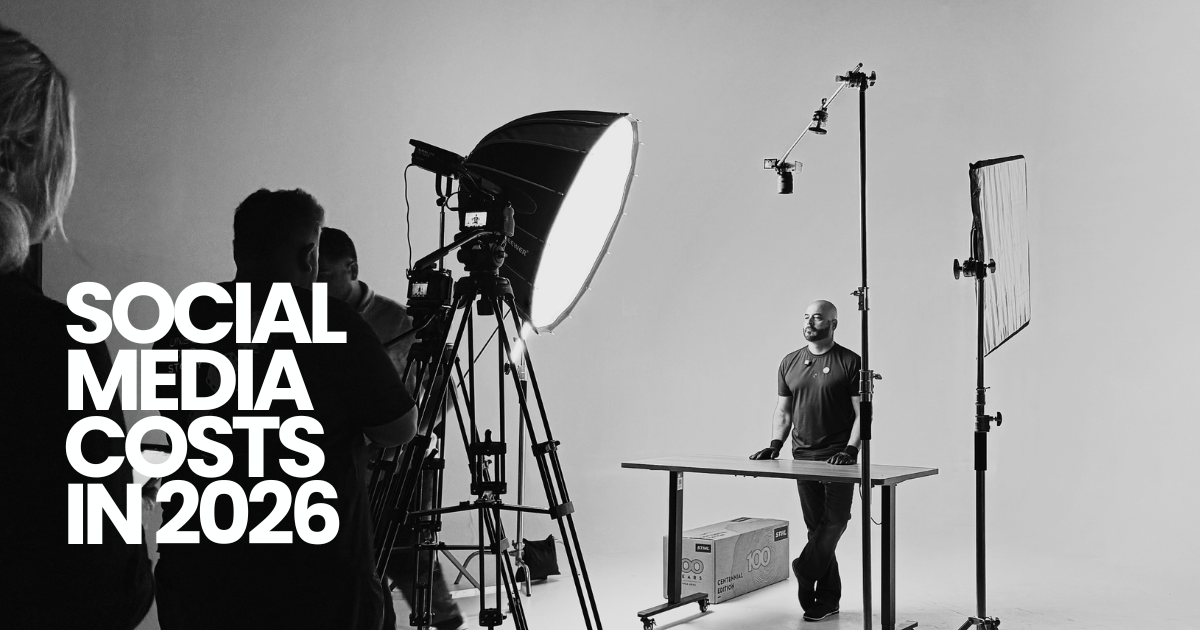
This is exactly the problem Storybox solves. When a CEO comes into the studio, the environment is already built for them. Professional lighting, clean audio, a setup that makes them look and sound like the leader they are. They walk in with their ideas and walk out with content that is ready to work.
The studio removes the friction that keeps most executives from ever starting. And once the friction is gone, showing up consistently becomes realistic.
A CEO content strategy in 2026 is built around owned formats, consistent distribution, and a clear point of view.
It does not require posting every day. It requires showing up regularly with something worth saying. A monthly long-form interview. Weekly short clips pulled from that conversation. A written perspective shared on LinkedIn. A podcast appearance every quarter. These are not enormous time commitments. They are manageable when the production system is in place.
The point of view is the most important piece. A CEO who shows up and talks about industry trends without a distinct angle is invisible. A CEO who consistently challenges conventional thinking, shares what they are actually seeing in the market, and speaks with the authority of someone who is building something real — that person builds an audience. And that audience becomes a business asset.
The CEOs who start building their presence in 2026 will have a compounding advantage that cannot be bought later.
Audience trust is not something you can manufacture on demand. It is built over time through consistent, credible presence. The executives who start now will have years of content, context, and community behind them by the time their competitors decide it is worth investing in.
At Storybox we work with founders and executives who understand this. They are not doing content because it is trendy. They are doing it because they can see what it builds. Authority, inbound, recruiting leverage, and a narrative that the company controls rather than one that gets written for them.
The studio is where that content gets made. The strategy is what makes it matter. And in 2026, both of those things are part of running a serious business.
Should CEOs post on social media in 2026?
Yes. In 2026 audiences trust people before they trust brands. A CEO with a consistent, credible online presence builds company trust, attracts talent, and generates inbound attention that no ad budget can replicate at the same cost.
What business results does CEO content actually produce?
CEO content drives brand awareness, inbound sales leads, recruiting interest, investor attention, and media coverage. Executives who show up consistently with a clear point of view build authority that compounds into a long-term business asset.
How much time does a CEO need to invest in content creation?
A focused CEO content strategy does not require daily posting. A monthly long-form recording session that produces clips, written posts, and distributed content across platforms can deliver consistent presence without taking over the schedule. The key is having a production system that makes the process efficient.
What is the biggest barrier stopping CEOs from creating content?T
he biggest barrier is production friction. Most executives have the ideas and the insight but no system for turning that into polished, distributable content efficiently. Without the right environment and workflow, content creation feels like a burden and gets deprioritized.
How is CEO content different from traditional company marketing?
CEO content builds personal trust in a way that branded marketing cannot. Audiences engage with people differently than they engage with logos. A CEO sharing genuine perspective, industry insight, and behind-the-scenes thinking creates a direct relationship with the audience that converts across sales, recruiting, and brand perception.