.png)
There is nothing innovative about water.
Yet Liquid Death built a billion-dollar brand selling it in a tallboy can covered in skulls.
Not because hydration changed.
Not because consumers demanded canned water.
Not because the ingredients were superior.
Because the narrative was superior.
Modern CPG growth does not begin on shelves.
It begins in feeds.
For decades, CPG brands optimized for:
● Better taste
● Cleaner ingredients
● Strong retail distribution
● Attractive packaging
That model worked when attention lived in grocery aisles.
Today, attention lives on Instagram, TikTok, and YouTube.
If your product does not win the scroll, it never earns the shelf.
Brands like Mid-Day Squares understand this. They did not just build protein bars. They built founder-led storytelling, transparency, and repeatable narrative.
That is not marketing.
That is cultural positioning.
Here's what that looks like in practice:
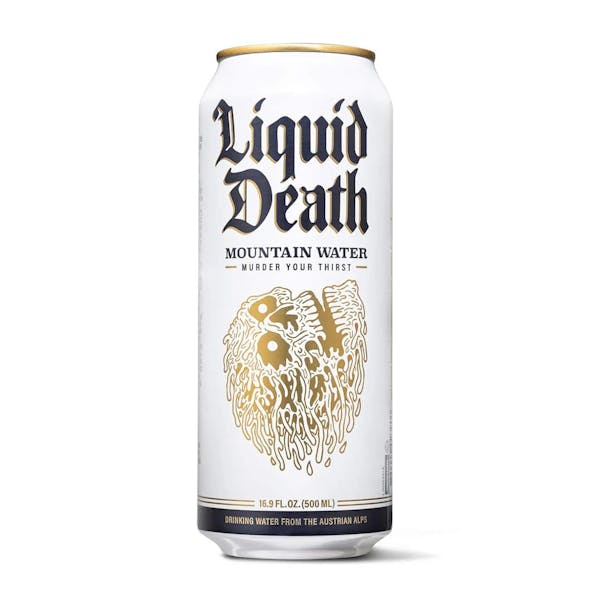
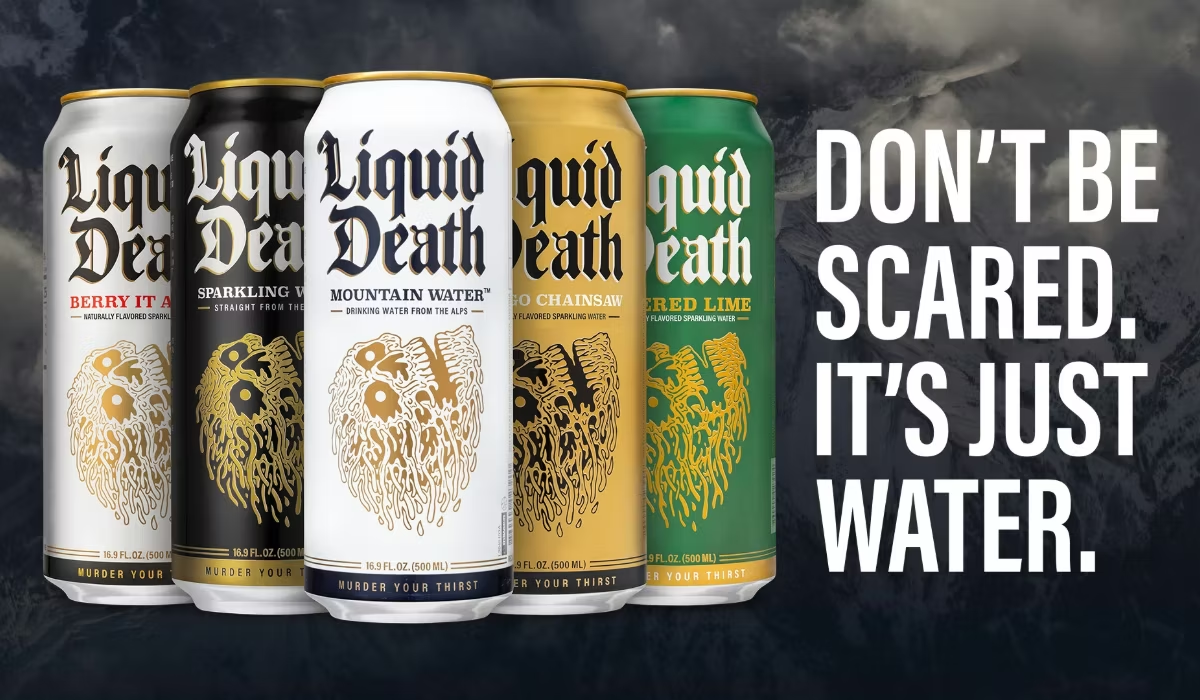
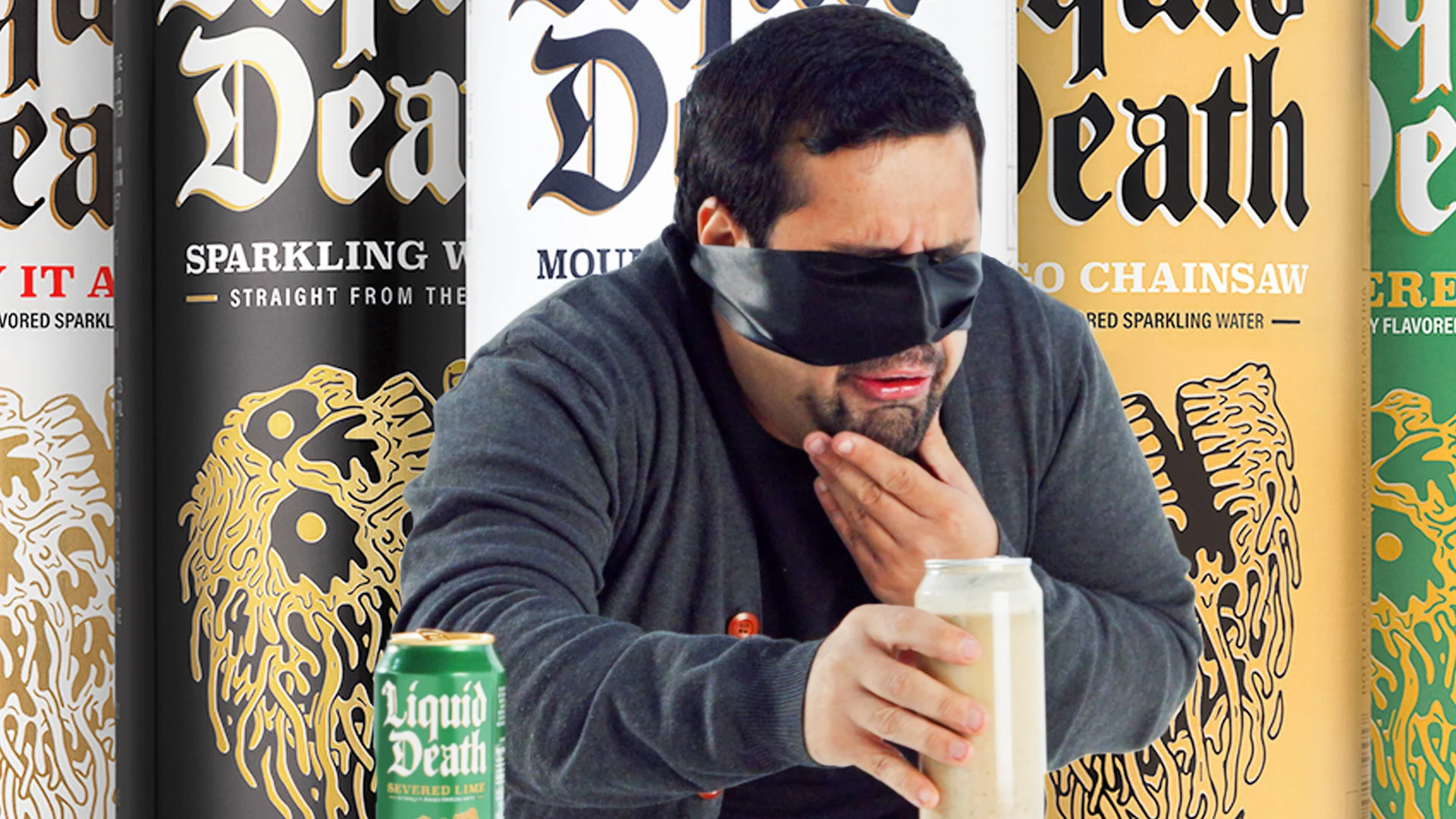
Liquid Death did not compete with bottled water.
They attacked the boredom of the category.
Instead of saying:
“Our water is pure.”
They signaled:
“Your water brand is forgettable.”
They positioned themselves closer to:
● Craft beer
● Energy drinks
● Streetwear
● Meme culture
The can was designed for Instagram.
The tone was engineered for comments.
The brand was built for screenshots.
They did not sell hydration.
They sold identity.
And this is where most CPG brands fall behind.
They are still optimizing for shelves.
Liquid Death optimized for culture.
This is the inflection point.
Modern distribution is algorithmic.
If your product does not perform in-feed, it does not scale in-store.
Retail follows relevance.
Not the other way around.
Brands like DrinkWell and Protein Candy operate in emotionally driven categories.
Consumers are not just buying macros.
They are buying signals.
Signals of:
● Discipline
● Health
● Status
● Belonging
● Humor
● Edge
Your product is not competing with other snacks.
It is competing with:
● Creator content
● Entertainment
● Founder personalities
● Viral trends
● Algorithmic attention
If your brand feels corporate, it disappears.
If it feels cultural, it spreads.
Liquid Death understood something most CPG brands still resist.
Content is not support marketing.
Content is distribution.
Before you scale in stores, you must scale in culture.
That requires:
● Production days, not random posts
● Series, not sporadic uploads
● Founder storytelling
● Visual hooks designed for scroll
● Repeatable formats
Not “we should post more.”
Systematic narrative velocity.
At Storybox, we do not just create content.
We build production infrastructure for brands that want to dominate social.
Recurring content systems.
Founder storytelling.
Scroll-stopping visuals.
High-volume production days.
If your CPG brand feels invisible online, you do not have a product problem.
You have a narrative distribution problem.
And that is solvable.