Creator marketing is everywhere right now.
Brands are investing more budget into creators than ever before. Teams are spinning up influencer programs. Leadership wants results fast. And yet, most creator partnerships still underperform.
Not because creators do not work.
But because brands treat creators like ad placements instead of people.
When you approach creator marketing like paid media, you get paid media results. Short-lived spikes. Inconsistent performance. Content that feels forced. Audiences that scroll past without thinking twice.
The brands that are winning right now understand something different.
Creators are not ad units.
They are partners.

Most creator programs fail before the first piece of content is published.
The failure happens at the brief.
Brands approach creators with:
The result is predictable. The content stops sounding like the creator. It starts sounding like a brand ad. And the audience feels it immediately.
The moment a creator sounds like your brand instead of themselves, performance drops.
Behind every creator account is a person who built an audience by earning trust.
That trust comes from:
When brands treat creators like inventory instead of humans, they break the very thing that made the creator valuable in the first place.
Instead of asking, “How can this creator promote us?”
Ask, “How can we support what this creator already does well?”
That mindset shift unlocks better content, stronger relationships, and better results.
Most brands are not struggling with ideas.
They are struggling with execution and relationship design.
High-performing creator content rarely feels branded.
That does not mean brands disappear. It means brands integrate naturally into the creator’s existing narrative.
Creators need:
Over-directing kills authenticity. Under-directing creates confusion.
The sweet spot is direction without control.
Strong creator programs start with intention.
A simple framework:
If you genuinely like a creator’s content before working with them, you will not need to micromanage them after.
Creator marketing is not a one-post game.
Algorithms fluctuate. Context matters. Timing changes everything.
Smart brands test before they scale:
Long-term creator partnerships outperform one-off campaigns because trust compounds.
The best creator content is rooted in lived experience.
Creators share:
This turns creators into trusted mentors for their audience.
Brands win when they support that storytelling instead of hijacking it.
Measurement matters, but it should guide iteration, not control creativity.
Strong creator programs track:
Data helps you double down on what works. It should never strip creators of their voice.
First, social media management and influencer marketing are different disciplines. Treating them as one weakens both.
Second, posting more does not equal better content. Generic content erodes trust. Creators and publishers are better benchmarks than competitor brand pages.
If you want to win in content, study creators, not competitors.

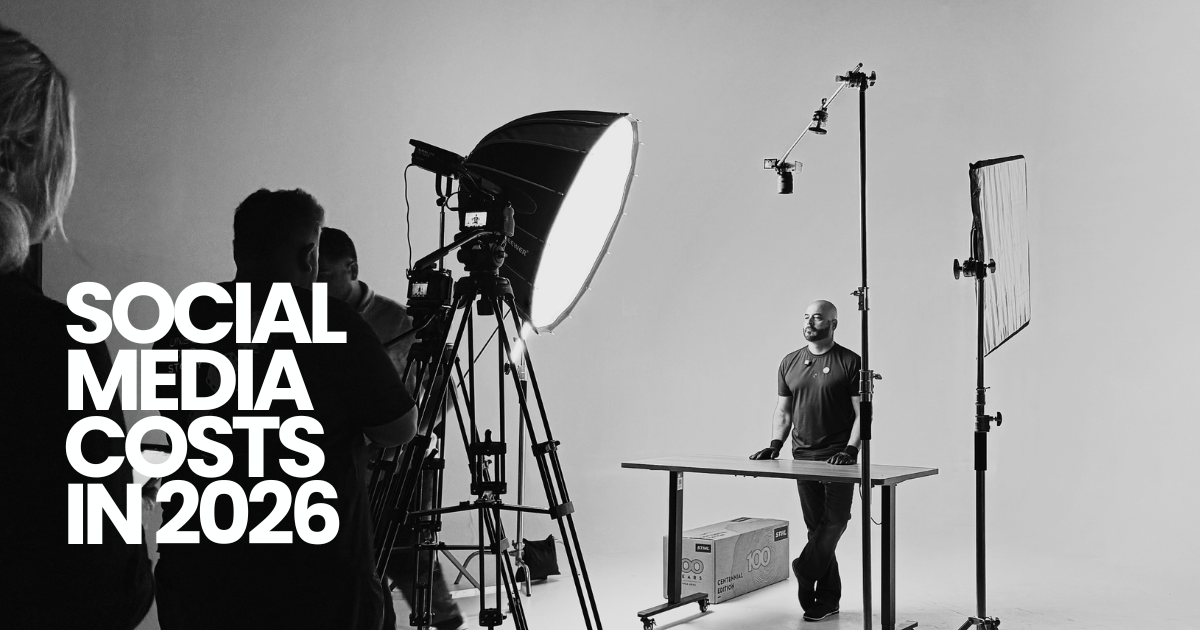
Great creator partnerships still need strong production.
Lighting, audio, framing, pacing, and consistency still matter. The best creator content feels natural, but it is rarely accidental.
Storybox helps brands support creators with production systems that respect the creator, the audience, and the platform.
Because the future of creator marketing is not about louder ads.
It is about better partnerships.